
Situations this fits
Not every performance need is the same.
Some people come with a brief. Others arrive with a rough idea and a tight deadline. A few show up knowing only what they do not want. All of these are workable starting points — the range below gives a sense of where this tends to be useful.
A slot opened up, a plan fell through, or the original performer is unavailable. Preparation time is days, not weeks.
The crowd has particular expectations — industry insiders, mixed age groups, or a culturally specific context that a generic act would miss.
The format is still open. You know the occasion and the feel you want — the structure can be built around that rather than forcing a pre-set format.
Monthly events, ongoing programmes, or series formats where the material needs to stay fresh rather than repeating the same set.
Who tends to reach out
Three distinct groups, each with a different reason for being here.
Running corporate functions, community events, or private occasions in Darwin. They need something that reads the room and adjusts — not a fixed script delivered regardless of atmosphere.
Developing their own improvisational skills or preparing for a specific performance context. They came looking for structured one-on-one work rather than a group class format.
Programming live entertainment for bars, theatres, or arts spaces. The requirement is reliability and material that fits the venue's existing identity without overwriting it.
The people doing the work
Background matters less than track record in live conditions.
Both practitioners have worked in unscripted performance contexts where the material had to be built in real time — not rehearsed and delivered. That distinction shapes how they approach preparation, client conversations, and the performance itself.
Neither carries a fixed set. Each engagement starts from the actual brief, the actual audience, and the actual space.
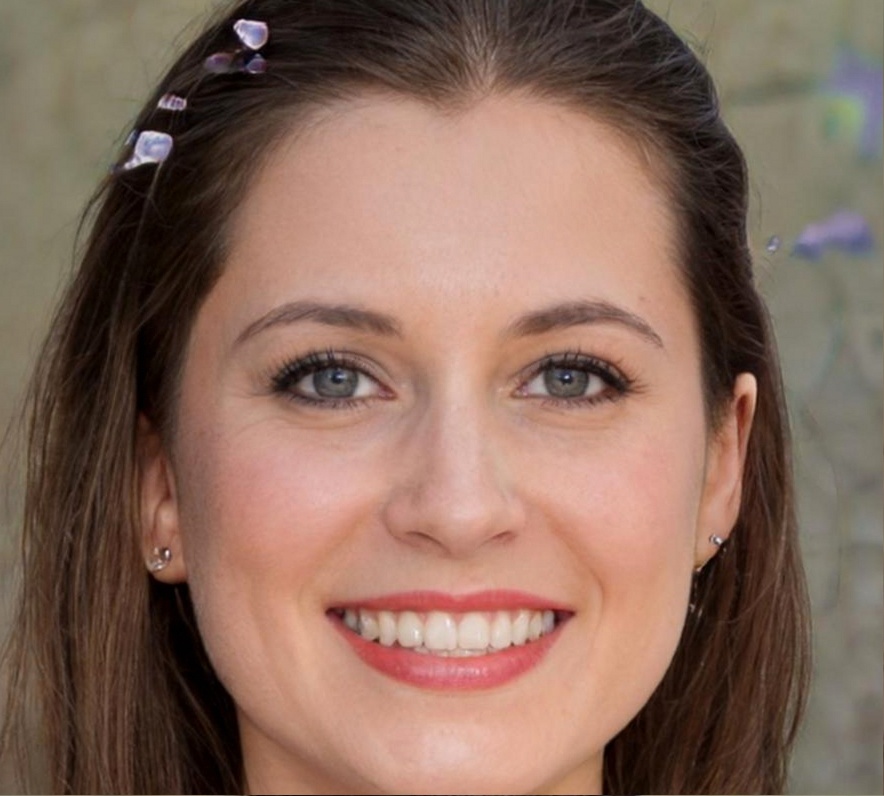
Eleven years in live performance across Darwin and regional NT. Specialises in audience-driven formats and short-notice corporate engagements.
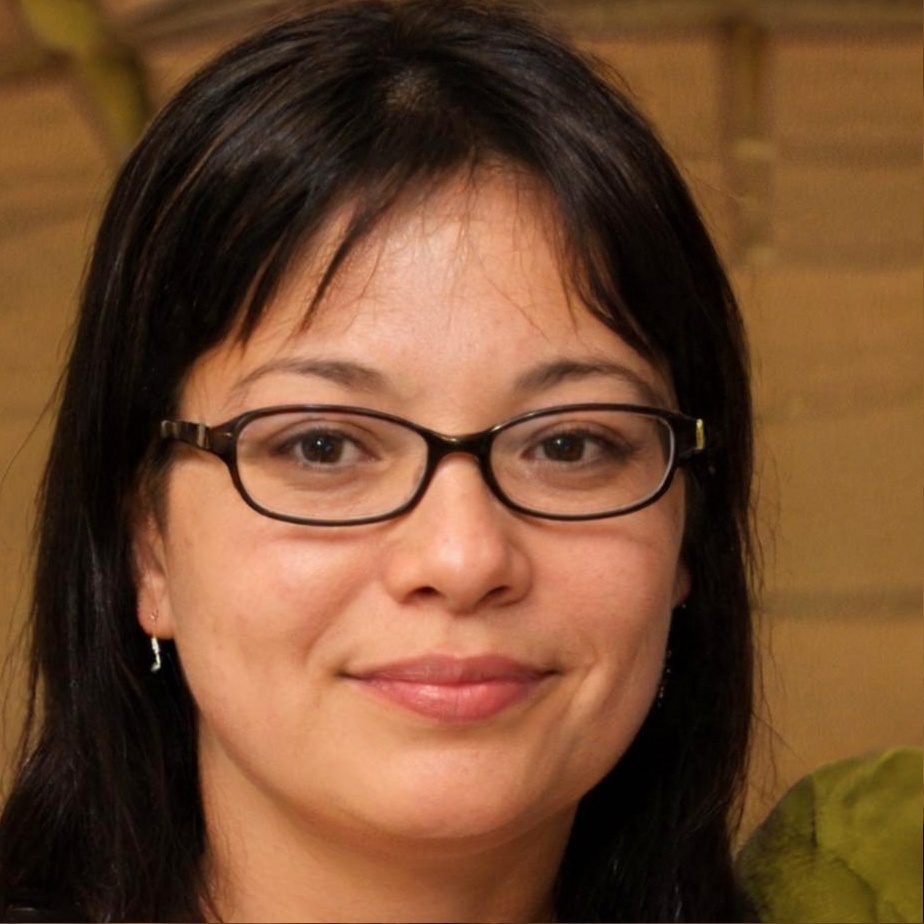
Works primarily with individual performers building improvisational range. Background in applied theatre and facilitation across community arts programmes.
How the method adjusts
A static process produces static results. Each engagement moves through four stages — none of them skipped, all of them shaped by what you actually bring.
One direct conversation. What the occasion is, who the audience is, what has been tried before and why it did or did not work.
A working structure is proposed — not a script, but a set of constraints that give the performance shape without removing the ability to respond live.
The frame gets tested against your feedback before the event. Changes at this stage are normal and expected — they are not a sign anything is wrong.
The performance runs with the agreed structure as a guide, not a ceiling. What happens in the room takes priority over what was planned in advance.
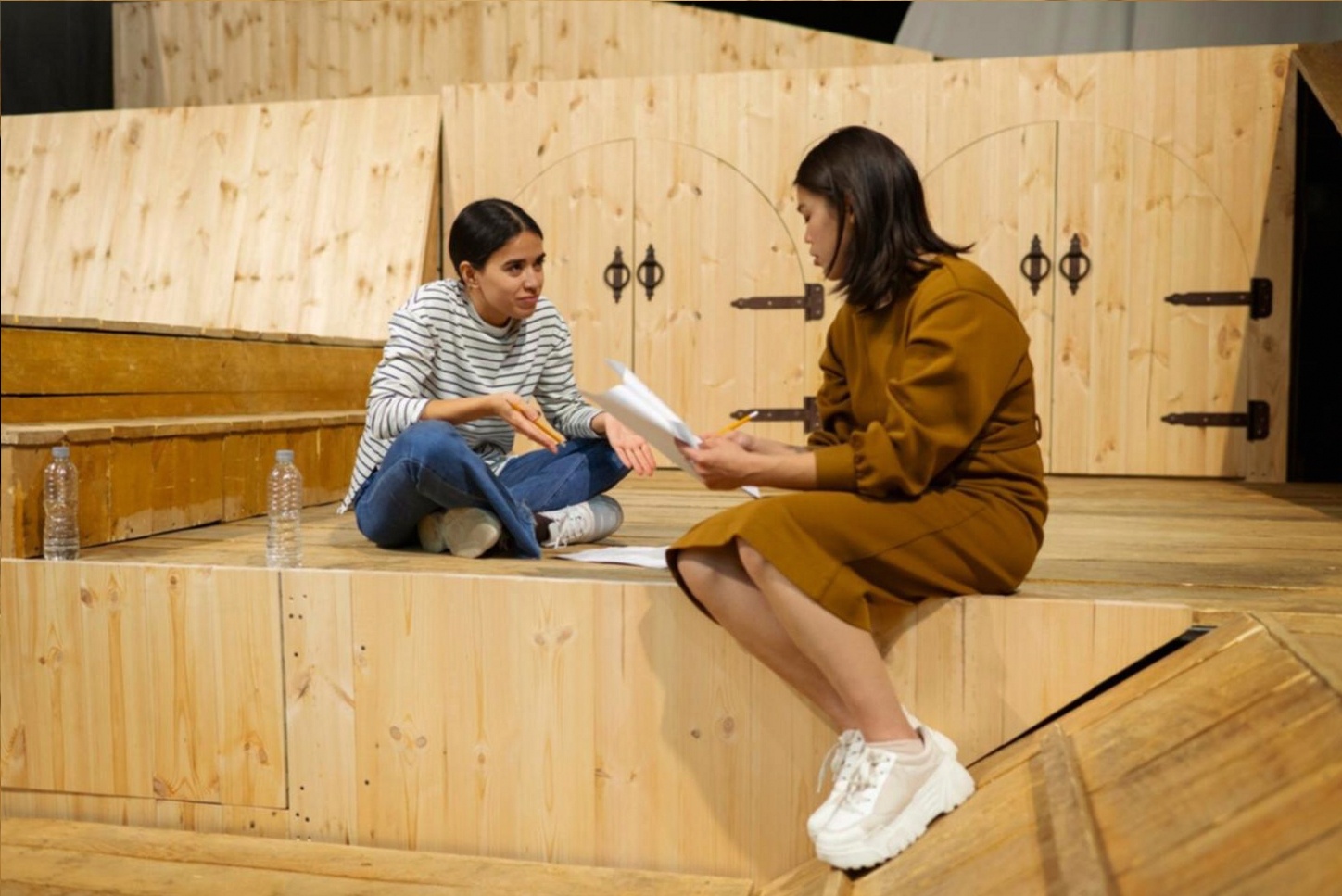

Situations that were resolved
Three cases. Named people, specific circumstances, concrete outcomes.
Needed a monthly improv night that could hold a regular crowd without repeating material. Had tried two external acts who ran the same set twice.
Worked with Petra over six months to build a rotating format. The third month drew the venue's highest midweek attendance in two years. No guarantees were made about numbers — that part was a surprise to everyone involved.
A keynote speaker cancelled four days before a staff function for 80 people. The replacement slot needed to be engaging without being embarrassing.
Yara stepped in with a 35-minute audience-participation format built around the company's actual industry context. Post-event feedback described it as the most memorable part of the day — which was not the original plan for that slot.
Eight years in scripted theatre, no improv experience. Auditioned for a devised performance project and needed to demonstrate improvisational range within three weeks.
Six sessions with Yara, focused on specific technical gaps rather than general confidence-building. He got the part. He also said the sessions were uncomfortable in ways he found useful — which is about as honest a review as this work tends to generate.
What this does not do
Knowing where something stops being useful is as important as knowing where it starts.
This is not a talent agency, a booking platform, or a production company. If the requirement is a fully scripted show with technical production, a cast of six, and a promotional campaign attached — that is a different kind of engagement entirely.
Not suitable for events requiring a fixed, repeatable script delivered identically at multiple dates.
Not a substitute for long-form drama training programmes or accredited performing arts courses.
Does not guarantee audience response, attendance numbers, or any particular outcome — live performance involves variables that no practitioner controls.
Not available for engagements where the brief cannot be discussed in advance — anonymous or fully undisclosed contexts are not workable starting points.